4 in Diamond Core Bit Rental in Brooklyn, NYC
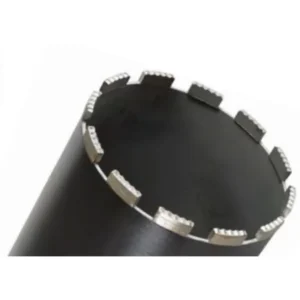
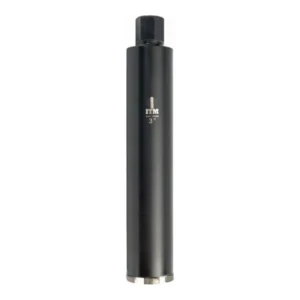
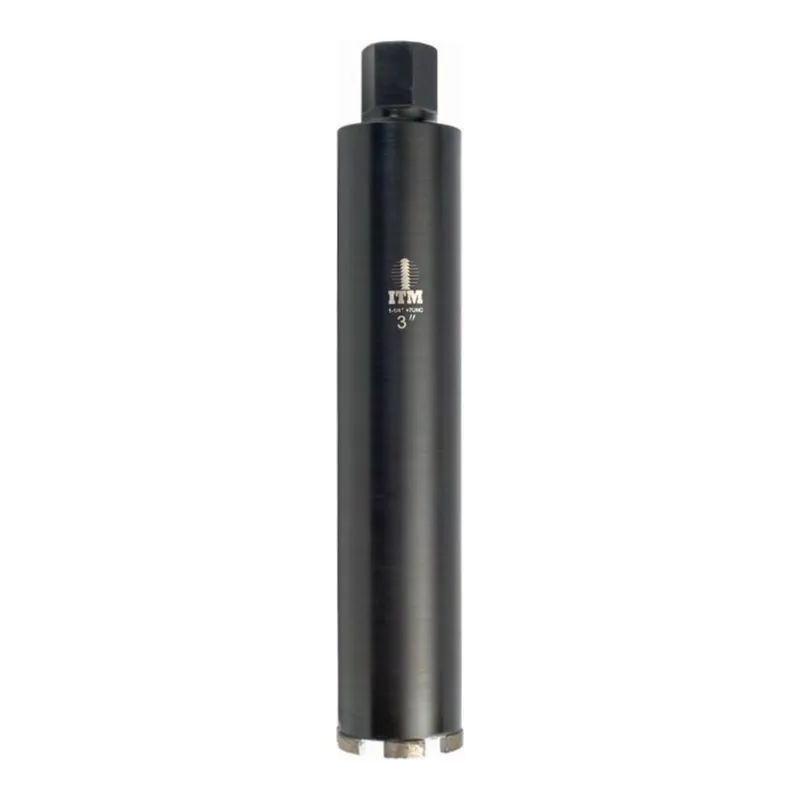
The 4 in diamond core bit cuts a round hole about 4 in across through concrete, block, brick and stone on a core drill. It has 8 diamond teeth and a 15 3/4 in overall length. Rent it from our Brooklyn yard at 181 2nd Ave, or have it delivered with your drill anywhere in the five boroughs. Call 718-344-1474.
4 in core bit for a concrete test core for an engineer
A Bushwick warehouse is being turned into offices with a new mezzanine, and the engineer wants to know how strong the existing slab is before it takes new loads. The usual answer is to cut test cores and send them to a lab for compression testing. A 4 in bit is the common choice because the core it takes out is a little under 4 in across, and the test standard (ASTM C42) asks for cores at least 3.70 in across. Ask us for the exact core size of the bit when you book. Cores also test best when they are about twice as long as they are wide, so a 4 in core wants a slab around 8 in thick.
Who decides: The engineer picks where to core and how many, and a lab or special inspection agency does the testing. Have the slab scanned for rebar first, keep each core in one piece, label it with its location and fill the hole with non-shrink grout.
Is 4 in the right size?
For a test core, the size that matters is the core the bit takes out, not the hole. Ask us for the exact core size of this bit when you book, and check it against what your engineer or lab asked for.
- Bigger pipe or duct? Try the 4 1/2 in diamond core bit. Its usual job: dryer vent (4 in rigid metal duct).
- Smaller pipe or duct? Try the 3 1/2 in diamond core bit. Its usual job: small bathroom exhaust fan (3 in round duct).
- See every size and what it fits in our core bit size chart.
Specifications and Features
Rental Details
Which drill: this size runs on the EDCO handheld core drill for walls and tight spots, or on a 36 in core drill rig for floors. Already have a drill? Tell us the model when you request a quote and we will check that the bit fits it.
Drill wet. Keep water running to cool the bit and keep silica dust down, and read the OSHA guidance on crystalline silica before you start. Scan slabs for rebar, conduit and post-tension cables before you core a floor.