2 3/4 in Diamond Core Bit Rental in Brooklyn, NYC
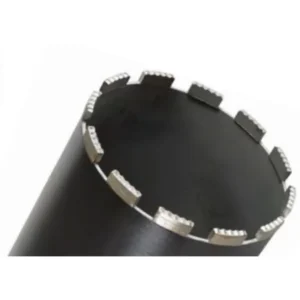
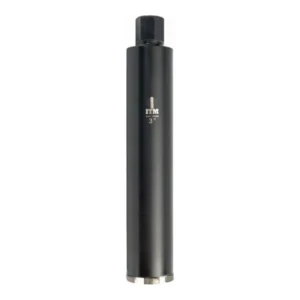
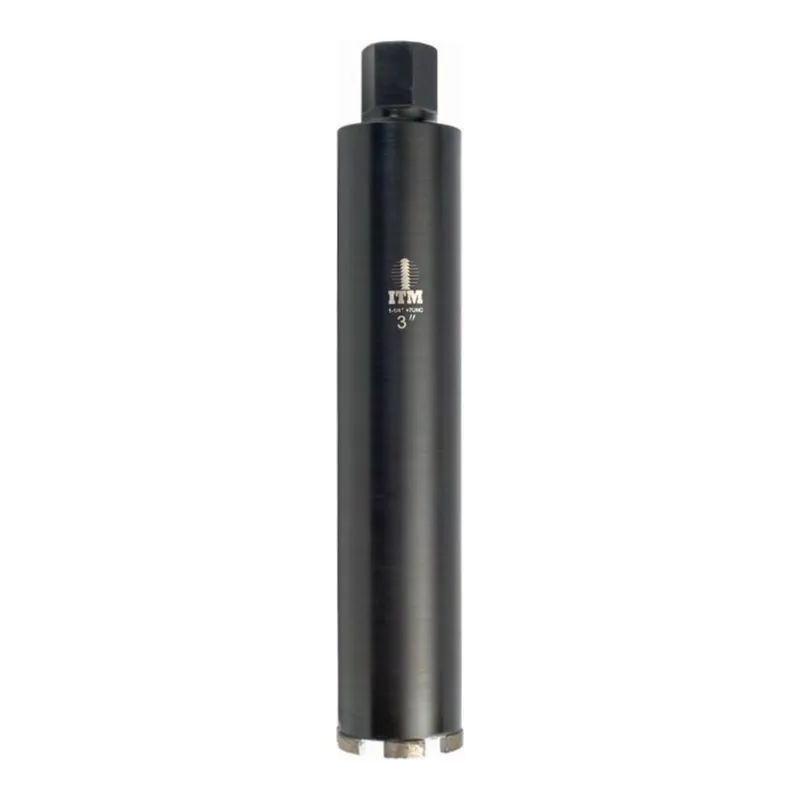
The 2 3/4 in diamond core bit cuts a round hole about 2 3/4 in across through concrete, block, brick and stone on a core drill. It has 6 diamond teeth and a 15 3/4 in overall length. Rent it from our Brooklyn yard at 181 2nd Ave, or have it delivered with your drill anywhere in the five boroughs. Call 718-344-1474.
2 3/4 in core bit for a ductless mini-split line set
An Astoria apartment is replacing its window units with a ductless mini-split. The indoor head mounts on the brick exterior wall, and everything for it goes through one hole: two insulated copper refrigerant lines, the condensate drain hose and the control cable, taped into one bundle about 2 to 2 1/4 in thick. Most small wall-mount units call for a hole of about 2 1/2 to 2 9/16 in (65 mm), and the 2 3/4 in core leaves a little extra room for the plastic wall sleeve that protects the bundle. Larger heads can call for about 3 in (75 mm), so check the install manual for your unit first.
Tip: Angle the core slightly downhill toward the outside so the condensate drains out, and so rain cannot run in.
Is 2 3/4 in the right size?
Measure the outside of the pipe, duct or sleeve that has to fit, not the size printed on it. Then leave room for sealant, grout or firestop around it. In the job above, that works out to enough room for the plastic wall sleeve around the bundle.
- Bigger pipe or duct? Try the 3 in diamond core bit. Its usual job: water line through a brick cellar wall (2 1/2 in Type L copper, 2.625 in OD).
- Smaller pipe or duct? Try the 2 1/2 in diamond core bit. Its usual job: stoop railing posts (1 1/2 in steel pipe post, 1.900 in OD).
- See every size and what it fits in our core bit size chart.
Specifications and Features
Rental Details
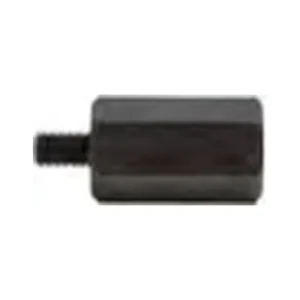
Which drill: this size runs on the EDCO handheld core drill for walls and tight spots, or on a 36 in core drill rig for floors. Already have a drill? Tell us the model when you request a quote and we will check that the bit fits it.
Drill wet. Keep water running to cool the bit and keep silica dust down, and read the OSHA guidance on crystalline silica before you start. Scan slabs for rebar, conduit and post-tension cables before you core a floor.